

The Protagonist of CES 2026: Boston Dynamics
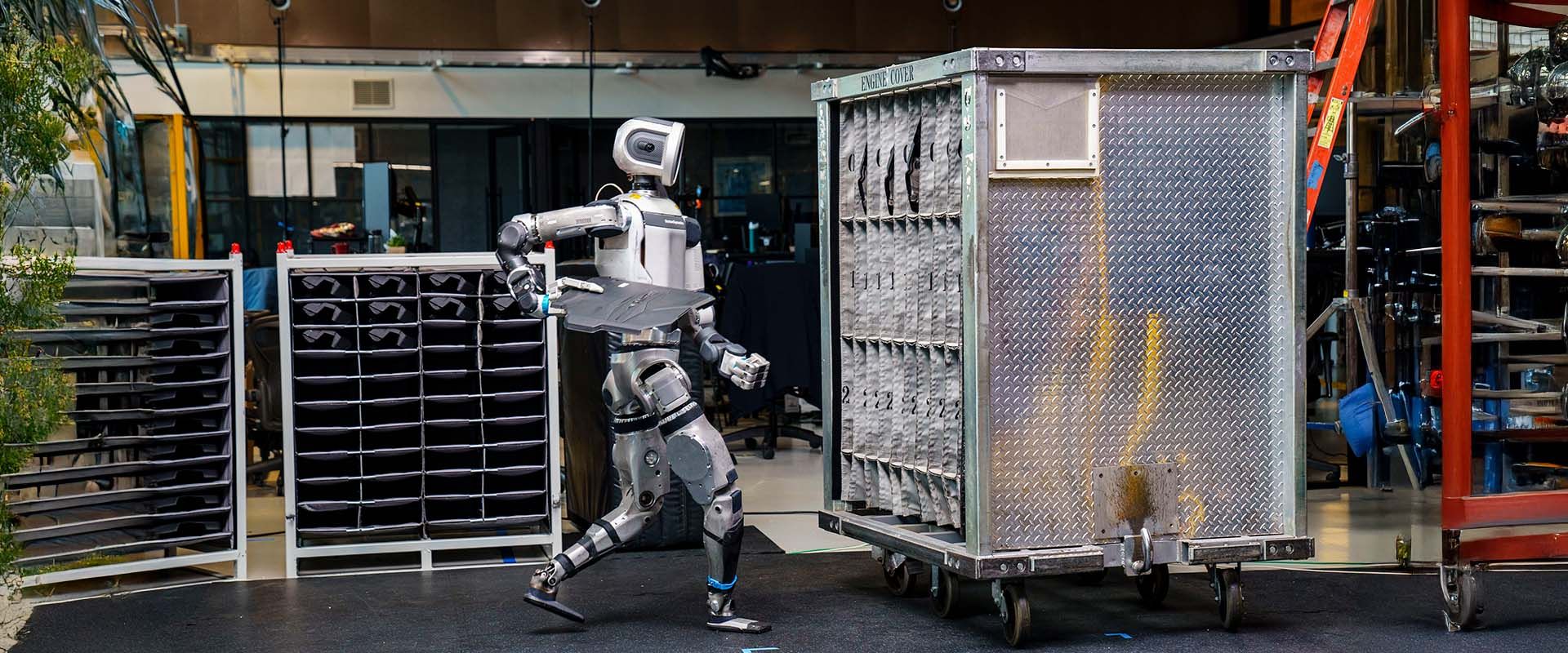
The halls of Las Vegas were filled with whispers of a new industrial revolution, but all eyes were fixed on Boston Dynamics. Their newly unveiled, all-electric Atlas was the undisputed star. Moving with a fluidity that transcends the 'uncanny valley,' the new Atlas demonstrated its readiness for complex assembly lines. It was a clear declaration that the era of robotic prototypes is over; the era of robotic colleagues has begun.
Beyond Atlas: The Global Contenders
While Boston Dynamics led the way, other giants presented formidable visions of their own:
Tesla (Optimus Gen 3): Elon Musk’s vision is nearing reality. Tesla focuses on extreme vertical integration, aiming to deploy Optimus in its own Gigafactories first to prove cost-efficiency before a wider commercial release.
Unitree (H1 Evolution): Representing the aggressive push from China, Unitree surprised the audience with the H1’s speed and agility at a fraction of the cost, signaling a future where humanoid robots could be accessible to smaller enterprises.
Figure AI (Figure 02): Focused on the 'thinking' robot, Figure AI highlighted its collaboration with OpenAI, showcasing a robot that not only moves but understands and reacts to complex verbal commands in a factory setting.
Commercial Release Roadmap (2026-2027)
| Company | Key Model | Estimated Release | Primary Application |
| Boston Dynamics | New All-Electric Atlas | Late 2026 | Advanced logistics and precision manufacturing |
| Tesla | Optimus Gen 3 | Late 2026 | Internal deployment followed by commercial lease |
| Hyundai (BD) | Stretch (Commercial) | Early 2026 | Mass-scale automated warehouse unloading |
| Samsung Electronics | Bot Fit (Wearable) | Mid 2026 | Global launch of gait-assist and elderly care |
| Figure AI | Figure 02 | Late 2026 | Pilot-to-permanent deployment in automotive lines |
| Unitree | H1 Evolution | Late 2026 | Mass production of affordable humanoid models |
| Apptronik | Apollo | Early 2027 | General-purpose logistics and supply chain |
The Rising Tension: Labor vs. Robots


![[Quick Tip] Mistake at the Turnstile? Don't Panic. The Ultimate Guide to Seoul Subway’s '15-Minute Free Re-entry' Rule](https://blogger.googleusercontent.com/img/b/R29vZ2xl/AVvXsEiOC3-AyvkOwi79N-Po18Km4LoM5snZjVQtlgzMMnjBO2S2E3oQWSd9WUaDSSxBrobWKjI2Bk793fpVN7d70H79U08jsUV8uW4hSyPqWaor8A58A9X9cusaNx7mwCef1UvL7dxmAm2Ct-783vNCoa8mUZYQVDloAwHIWCy6GP8-cOvIc9Wa9P6fUId_vcQM/w72-h72-p-k-no-nu/QT.png)
![[Quick Tip] Stop Calculating: How the New 2026 'Everyone's Card' (K-Pass) Automatically Saves You Money](https://blogger.googleusercontent.com/img/b/R29vZ2xl/AVvXsEgN-03WkpWQ_3ssF6025uzESIAP49dJlkPGBkUvgGivQJM6mfYVX8lV526pLedpvXhrvfC3Bn1-Nj3DQmuajjp8i02VwOQxo8adcoqo6T3TTRLRw5dUXXqhSEucJ6NggNIAQc04v4gTewmIFzwnowHyLhKK5CzxZ8zEzmif6I_wmAJMOuYdWEEC4KSdJzEP/w72-h72-p-k-no-nu/20260129_171342.jpg)
0 Comments